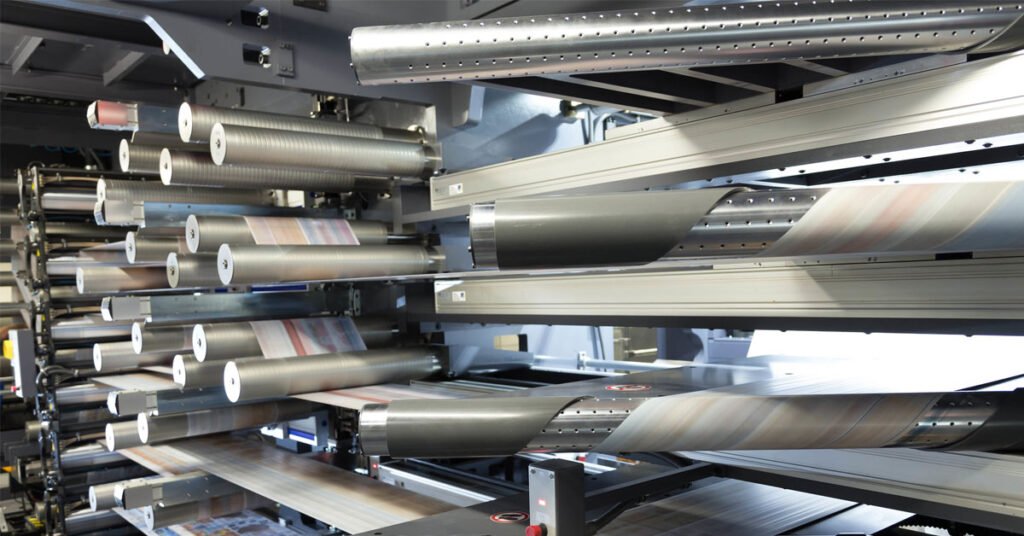
A web offset press is not a short-term asset. It is a 15-to-20-year production engine that sits at the centre of a print business. Yet many plants spend more time planning the next purchase than protecting the press already on the floor. Effective printing press maintenance often determines whether that asset remains productive in year fifteen.
Most print businesses evaluate presses as capital investments. Far fewer manage them as long-life operating assets. As a result, maintenance receives attention only when production is interrupted, even though lifecycle economics are shaped over decades, not individual service events.
Across India, presses installed fifteen or even twenty years ago continue to run daily production schedules. Industry experience shows that early decisions around web offset press service, support, and maintenance often influence reliability, productivity, and asset value years later.
In this article, we examine why printing press maintenance should be viewed as a long-term business discipline and how service strategy, spare-parts planning, refurbishment, and OEM support influence lifecycle performance.
Why Printing Press Maintenance Is a 15-Year Decision, Not a 15-Month One
The day a press is commissioned, the clock starts on a fifteen-year operating story. Every maintenance decision, service intervention, and spare-parts strategy influences performance long after installation is complete.
The Real Asset Life of a Web Offset Press
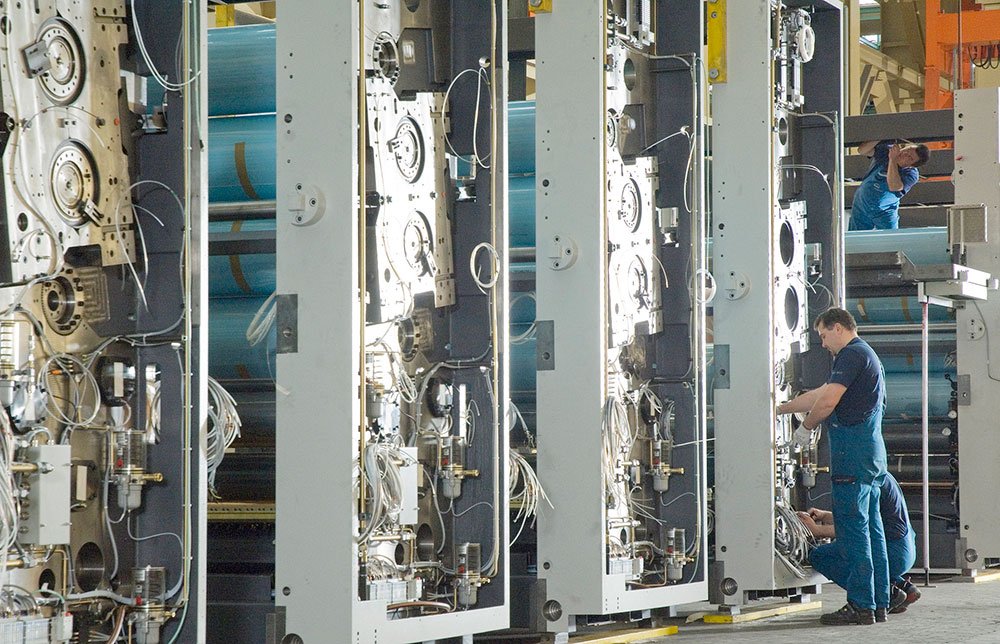
A well-maintained web offset press can remain productive for fifteen to twenty years or more. Across newspaper and commercial print environments, many presses continue operating reliably long after their original depreciation schedules have ended. A press generates value through sustained uptime, output consistency, and print quality, not simply through the capital invested on day one.
Why Reactive Maintenance Creates Hidden Lifecycle Costs
Lifecycle thinking often breaks down when maintenance becomes reactive. Faults get fixed, parts get replaced, and production resumes, but the underlying service strategy remains unchanged.
Common shortcuts include delaying preventive maintenance, switching vendors on price alone, and sourcing printing press spare parts only after failures occur. While each decision may appear economical, the cumulative effect is often higher downtime, lower productivity, and rising lifecycle costs.
The press may last fifteen years. The question is whether the service architecture supporting it is designed to last just as long.
What OEM-Backed Service Actually Covers
OEM-backed service is often viewed as a higher-cost option. In practice, it also creates a structured pathway for future printing press refurbishment, upgrades, and lifecycle planning. In reality, it represents a different support model built around engineering knowledge, lifecycle continuity, and long-term press performance.
Engineering Depth and Press-Specific Knowledge
When a web offset press requires support, the quality of diagnosis matters as much as the repair itself. OEM-backed service provides access to knowledge that extends beyond routine maintenance.
- Platform Expertise — Service engineers are trained on specific press platforms and understand their mechanical, electrical, and operational characteristics.
- Engineering Access — Original design data, calibration parameters, and technical documentation help ensure adjustments are made to intended specifications.
- Manufacturer Support Path — Complex issues can be escalated directly to OEM engineering teams, reducing troubleshooting uncertainty and downtime.
Spares Continuity Across the Lifecycle
Reliable maintenance depends on more than technical expertise. It also requires consistent access to the right components throughout the life of the press.
- Genuine Printing Press Spare Parts — Components manufactured to original specifications help maintain performance and reliability.
- Lifecycle Availability Planning — OEMs typically maintain long-term parts support strategies, including for legacy press platforms.
- Supply Discipline — Structured sourcing and inventory planning improve lead-time predictability and reduce operational risk.
The difference is not the invoice. It is the engineering capability, spare-parts continuity, and lifecycle support standing behind every service intervention.
The Cost of Poor Printing Press Maintenance
The cost of weak service rarely appears on a single invoice. It accumulates across the year through lost production time, inconsistent quality, and avoidable operational disruption.
Uptime, Output, and Quality Drift
The impact of poor service is rarely immediate. A web offset press may continue running, but performance gradually starts to drift. Register stability becomes less consistent, downtime becomes more frequent, and output variability increases. Over time, these issues affect productivity, print quality, and delivery reliability.
For print businesses, the consequences extend beyond maintenance budgets. Lower uptime means fewer productive hours. Quality instability can increase waste and rework. Repeated interruptions place pressure on production schedules and customer commitments, ultimately affecting revenue and profitability.
Is Cheaper Third-Party Service Actually Cheaper?
In most cases, no. Lower hourly service rates can quickly be offset by longer downtimes, recurring faults, non-original components, and accelerated wear on critical systems. When evaluated across the full operating life of a press, total cost of ownership often tells a very different story than the service invoice alone.
Service economics are a lifecycle calculation, not a per-visit one. The cheapest call-out is rarely the cheapest decision.
Building a Long-Term Web Offset Press Service Partnership
A long-life press deserves more than occasional maintenance support. The structure behind that support often determines lifecycle performance, reliability, and long-term asset value.
A strong web offset press service partnership typically includes:
- Structured Maintenance Plans — Preventive maintenance schedules, condition monitoring, and planned overhauls aligned to press hours, production load, and operating conditions.
- Printing Press Spare Parts Strategy — Critical components are identified in advance, lead times are defined, and lifecycle planning reduces the risk of unexpected parts shortages.
- Dedicated Engineering Support — Named service engineers develop familiarity with the specific press while retaining access to OEM technical expertise for complex issues.
- Upgrades and Refurbishment Planning — A clear roadmap for automation upgrades, control-system improvements, and printing press refurbishment helps extend productive asset life.
- Operator Capability and Service History — Ongoing operator training, maintenance records, and documented service history support consistent performance throughout the press lifecycle.
Each element appears operational in isolation. Together, they create a service architecture that protects uptime, productivity, and the business that depends on the press.
Conclusion
A printing press is a long-horizon asset. The service decisions made in year one often shape performance, reliability, and operating economics in year fifteen.
Effective printing press maintenance is not simply an operating expense. It is the discipline that protects uptime, output consistency, and long-term asset value throughout the press lifecycle.
OEM-backed web offset press service combines engineering expertise, printing press spare parts continuity, and lifecycle accountability in ways that transactional service models often struggle to replicate.
Planning long-term service for your web offset press? Talk to the manroland Goss India team about maintenance, printing press refurbishment, and lifecycle support. ENQUIRE NOW.
Our Digital Presence:
Explore manroland Goss India across web offset press solutions, certified pre-owned systems, print service support, consumables, and industry insights built for newspaper, commercial, and packaging print operations. From press installations and modernization to lifecycle support and productivity improvement, our platforms showcase how Indian print plants are adapting to changing production and capex realities.
Visit our website to explore products, services, and insights from the print industry.
Connect with us on:
Website | Products | Services | Insights
Stay updated through:
Instagram | YouTube