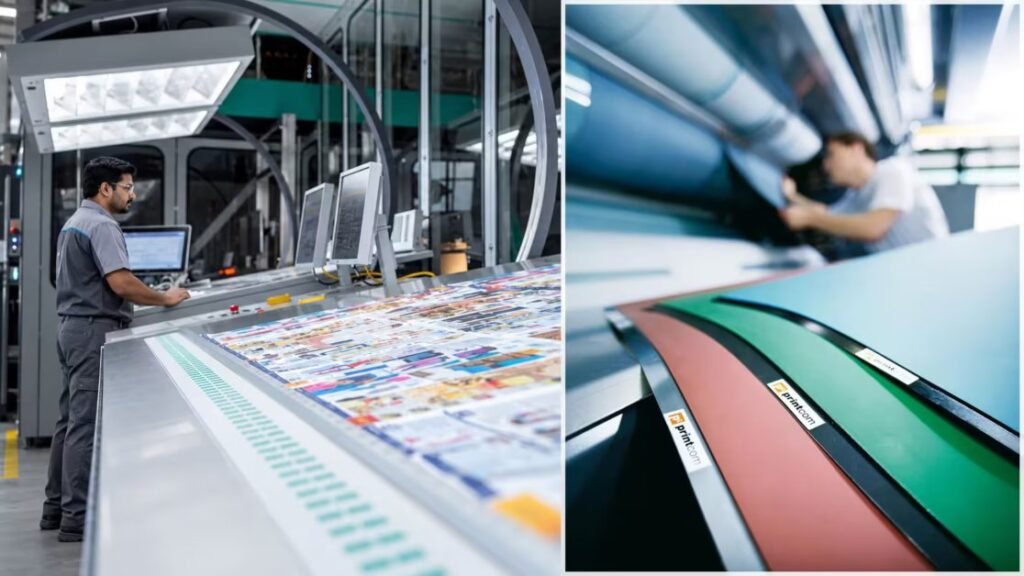
A press that runs its everyday schedule without trouble can still carry small condition issues. Then festive-season volumes arrive. Production windows get longer, recovery time between jobs gets shorter, and those small issues start to decide printing press performance.
manroland Goss India is the Indian subsidiary of manroland Goss Web Systems, Augsburg, and has operated in India for more than 20 years. Its India-based service team supports installed presses through installation, productivity audits and lifecycle service.
Most peak-season planning covers schedules, newsprint and manpower. Far fewer plants assess the condition of the press itself before the busy period. The press is then tested for the first time under full load.
This blog covers how newspaper and commercial printers can prepare an installed press for peak demand through press readiness, performance monitoring and planned technical support.
Printing Press Performance Under Peak Production Demand
Peak demand changes the conditions a press works under. The machine is the same, but the room for error around it gets much smaller.
Printing press performance is the ability of a press system to hold the required output, print quality and running stability across a full production schedule, shift after shift.
Higher Production Demand Narrows the Operating Margin
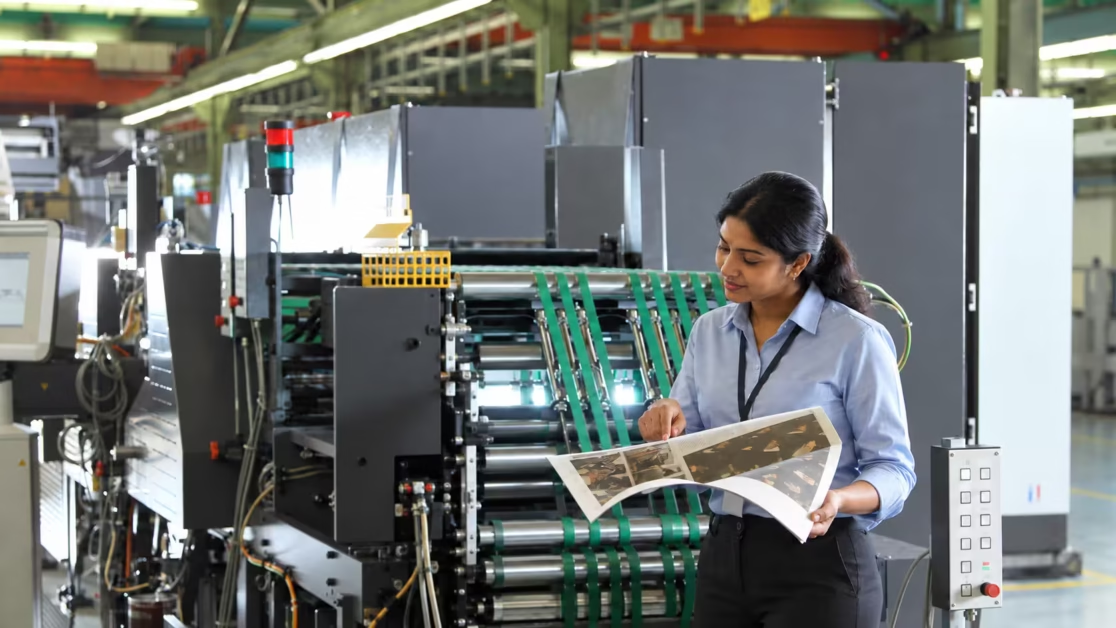
During a high-demand period, newspaper and commercial printers work with tighter schedules, longer production windows and higher print volumes. Recovery time between jobs falls. On a normal day, a plant can absorb a minor fault by slowing down, moving a job or fixing it between runs. At peak, that slack is gone. An issue that caused a small delay in a quiet week can hold up an edition or a delivery slot.
Sustained Output as the Measure of Press Performance
Rated speed shows what the press can reach. Peak demand asks a different question: can the complete press system hold the required production level through every shift of the busy period? The answer depends on reel stands, printing units, folder, drives and controls working together under load. A plant that measures performance by sustained output plans its preparation around the whole line.
Seen this way, preparing for peak demand is a question of machine condition. Press readiness is where that work starts.
Press Readiness Begins with a Press Condition Check
Press readiness is established before volumes rise. A structured press condition check shows where the machine stands and what the peak schedule will demand from it.
Machine Condition Areas That Decide Press Readiness
The check starts with the machine itself. Three areas give the clearest picture of its condition.
- Current Machine Condition — Establish the state of the press before sustained high-volume production begins, so that planning rests on an inspected baseline.
- Recurring Technical Issues — List the faults that keep returning under everyday production. These are the ones most likely to grow under load.
- Critical Components — Identify the wear and spare parts that carry the highest disruption risk if they fail in the middle of a run.
Production Requirements the Press Must Sustain
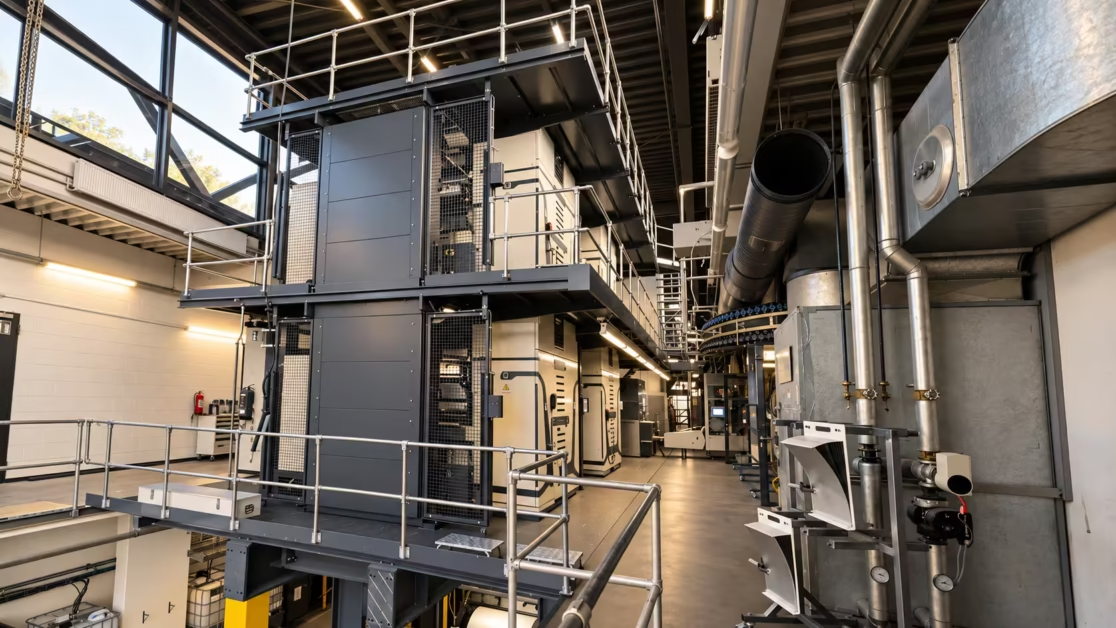
The second half of the check looks at the workload the press is about to take on during the peak.
- Peak Production Profile — Set out the volumes, run lengths and production windows planned for the high-demand period.
- Operating Behaviour Under Load — Review how the press performs as production intensity increases, using records from earlier busy periods where they exist.
- Recovery Time — Measure the gap left between jobs for correction and intervention.
- Assessment Route — A press performance and productivity assessment gives the check a structure and leaves the plant with a written baseline.
With condition and workload set side by side, the plant knows where the press is exposed before the first peak run begins.
Performance Monitoring During Peak Production
A readiness check is a starting position. Press behaviour changes as production intensity rises, so the condition picture has to stay current through the run.
MAINTELLISENSE and Machine Condition Visibility
Performance monitoring keeps that picture current. Within the manroland Goss portfolio, MAINTELLISENSE is a central maintenance platform for the machinery pool. It monitors presses for fault messages and lets the plant compare press parameters against each other. It detects deviations and sends automatic notifications, which supports targeted and predictive maintenance.
During peak production, small shifts tell the plant more than single faults do. A drive motor temperature that climbs over several shifts, or a fault message that repeats more often, shows where attention is needed next. The maintenance team sees the issue while it is still a trend and can identify the cause before it becomes a press stoppage.
Can Intervention Happen Before Output Is Affected?
Yes, when the press condition is known before volumes rise and performance is monitored through the run. Early signs of a developing issue give the plant time to plan technical support inside a production gap, before the fault reaches output.
Monitoring turns readiness from a one-time check into a running view of the press. The remaining step is acting on that view in time, with the right support already in place.
Press Uptime Through Planned Technical Support
Press uptime during peak demand depends on how quickly a known issue gets resolved. That speed is decided by support arrangements made in advance, well before the first peak run.
- Uptime as the Outcome — Press uptime is the result of readiness, monitoring and timely intervention working together. Maximum machine speed alone does not deliver it.
- Planned Service Availability — Arrange technical support before the peak period begins, so the plant knows who responds, through which channel and how fast.
- Remote Technical Support — Remote diagnosis lets a service engineer examine a developing issue without waiting for a site visit, which shortens the time to a decision.
- Parts Readiness — Identify spare and wear parts for installed manroland configurations ahead of the peak, so a worn component is replaced from stock and the press is not held up by an order.
- Timely Intervention — Use condition information to schedule corrective work inside a production gap, while the schedule can still absorb it.
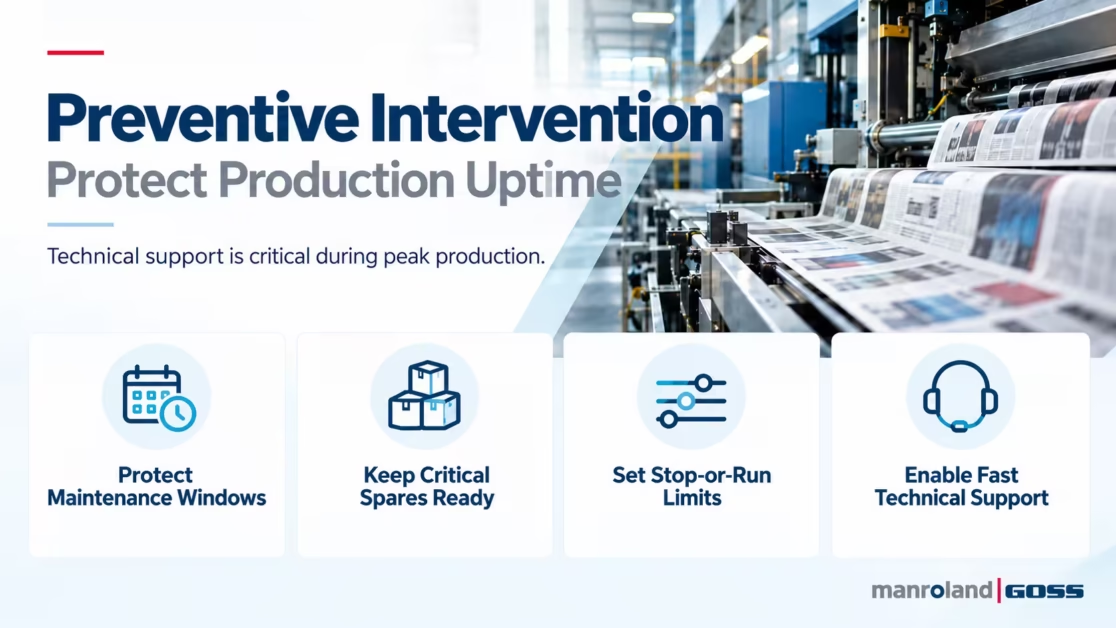
Each of these steps is arranged before the busy period. Together they keep a developing issue from becoming a production stoppage at the worst point in the schedule.
Conclusion
Peak demand reduces the margin for unresolved press-condition and performance issues. Preparation therefore starts before production volumes rise, with the condition of the installed press.
Three linked checks frame the decision: the press is ready, it stays stable under load, and intervention happens before output is affected.
manroland Goss India supports installed press infrastructure with OEM-backed engineering, an India-based service team and lifecycle support.
Readiness, monitoring and planned technical support work as one system. They keep the press delivering the required production through the whole high-demand period, and they protect printing press performance when the schedule is at its tightest.
Talk to the manroland Goss India team about assessing press readiness and performance requirements before peak production. ENQUIRE NOW.
Our Digital Presence:
Explore manroland Goss India across web offset press solutions, certified pre-owned systems, print service support, consumables, and industry insights built for newspaper, commercial, and packaging print operations. From press installations and modernization to lifecycle support and productivity improvement, our platforms showcase how Indian print plants are adapting to changing production and capex realities.
Visit our website to explore products, services, and insights from the print industry.
Connect with us on:
Website | Products | Services | Insights
Stay updated through:
Instagram | YouTube